What Is a Facelift?
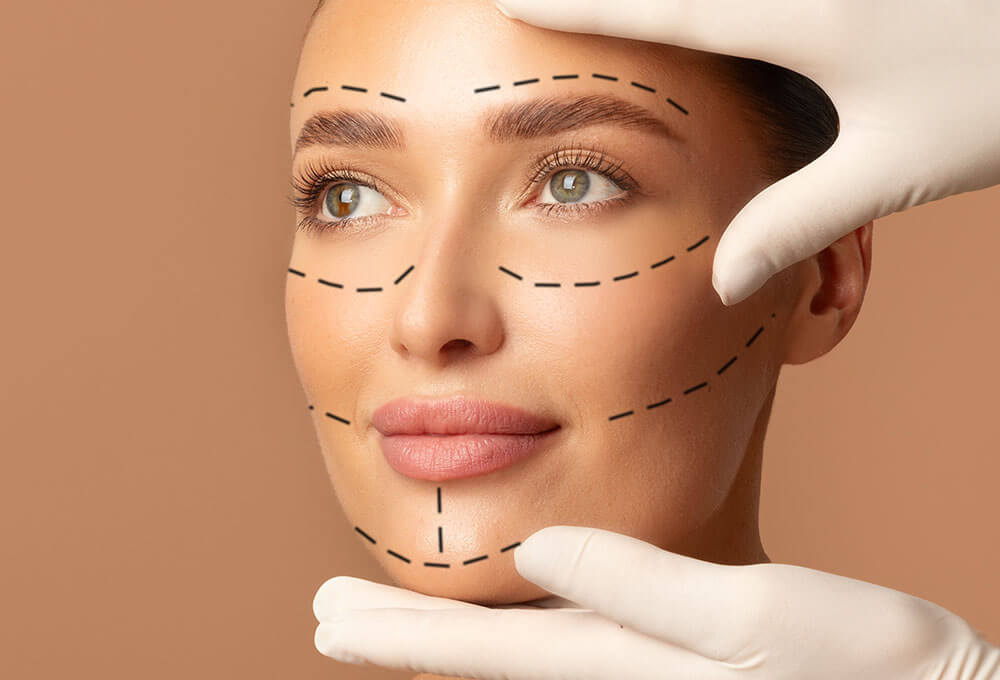
A facelift (medically known as a rhytidectomy) is a surgical procedure designed to improve visible signs of aging in the face and neck by lifting and repositioning deeper tissues, not just tightening the skin.
Unlike non-surgical treatments, a facelift addresses structural aging, helping restore a more youthful, natural facial contour.
What Does a Facelift Correct?
A facelift targets the most noticeable signs of aging in the lower face and neck.
It can improve:
- Sagging skin in the cheeks and jawline
- Jowls and loss of jawline definition
- Deep folds around the nose and mouth
- Loose skin and excess fat in the neck (“double chin”)
- Downward shifting of facial fat and volume
It’s important to understand that a facelift does not treat skin texture, sun damage, or fine surface wrinkles, which may require additional treatments.
What Are the Benefits of a Facelift?
A facelift provides more comprehensive and longer-lasting results than non-surgical options.
Key benefits include:
- A more youthful, refreshed appearance
- Natural-looking results when deeper tissues are lifted properly
- Long-lasting improvement (typically 7–10+ years)
- Restoration of facial contours rather than just tightening skin
- Increased confidence and self-image
Why Choose a Facelift Over Non-Surgical Treatments?
Non-surgical treatments like fillers or threads can provide temporary improvement, but they cannot reposition deeper facial structures.
A facelift is often recommended when:
- Skin laxity is moderate to severe
- Results from injectables are no longer sufficient
- You want a longer-lasting, more noticeable improvement
What Are the Effects of Aging on the Face?
Aging naturally causes the soft tissues of the face to lose support and descend over time. This leads to visible changes in facial shape and skin quality.
Common signs of aging include:
- Wrinkles and sagging skin
- Jowls along the jawline
- Loose skin in the neck
- Loss of a youthful, heart-shaped facial contour
A facelift restores a more youthful appearance by lifting and repositioning these deeper structures, not just tightening the skin.
What Is a Vertical Vector Facelift?
A vertical vector facelift is an advanced deep plane facelift technique that lifts the face upward rather than pulling it back, creating more natural-looking results.
Dr. Stevens performs this specialized technique to:
- Restore youthful facial contours
- Avoid an over-tightened or “pulled” appearance
- Deliver long-lasting results
The procedure typically takes about three hours and is performed under IV sedation or local anesthesia, depending on the surgical plan. Results are dramatic yet natural, with minimal visible scarring and no distortion of the hairline or earlobes.
How Does the MLS Laser Improve Recovery?
Dr. Stevens was the first facial plastic surgery practice in the United States to incorporate the MLS laser system after facelift surgery.
This technology helps:
- Reduce swelling and discomfort
- Accelerate healing
- Stimulate cellular energy (mitochondrial activity)
The treatment is painless and enhances recovery without adding downtime.
What Is Dr. Stevens’ Approach to Facelift Surgery?
Dr. Stevens has refined the facelift procedure over decades to prioritize natural results, safety, and efficiency.
Key Elements of His Approach:
- In-office facelift under local anesthesia
- Avoidance of thread lifts due to inconsistent results
- Deep plane, vertical lifting technique
- Focus on long-term outcomes (7–10+ years)
One of his biggest advancements has been adapting the facelift to be performed safely in-office under local anesthesia. This eliminates operating room and anesthesia costs while maintaining excellent results.
Why Not Threads?
Patients who have tried thread lifts often report:
- Short-lived results (sometimes only a few months)
- Minimal visible improvement
In contrast, a properly performed facelift provides:
- More significant correction
- Longer-lasting results
- Better overall value
Recovery Expectations:
- 10–14 days for most patients
- Includes recovery from combined procedures (neck liposuction or CO2 laser)
- Return to normal activities typically within 2 weeks
Who Is a Good Candidate for a Facelift?
A facelift is ideal for individuals who want to address visible signs of aging in the lower face and neck.
You may be a good candidate if you have:
- Sagging skin in the cheeks, jawline, or neck
- Jowls or loss of jawline definition
- Deep folds or wrinkles
- Good overall health and realistic expectations
Functional vs. Cosmetic Considerations:
- Cosmetic: Improving appearance, restoring youthful contours
- Functional: In some cases, excess skin may affect comfort or confidence
Anatomy Considerations:
- Skin elasticity
- Bone structure
- Degree of tissue descent
A consultation is essential to determine the most appropriate approach for your anatomy and goals.
Can a Facelift Be Combined With Other Procedures?
Yes. Combining procedures is common and can enhance overall facial rejuvenation.
Frequently combined treatments include:
- Brow lift (forehead lift)
- Eyelid surgery (blepharoplasty)
- Fractional CO2 laser resurfacing
This approach creates more balanced, natural-looking results.
What Happens During Facelift Surgery?
Facelift surgery focuses on lifting and repositioning deeper facial structures.
The procedure typically involves:
- Carefully placed incisions
- Lifting of underlying tissues (deep plane technique)
- Removal or repositioning of excess fat
- Redraping of the skin for a smooth contour
Every procedure is customized based on the patient’s goals and anatomy.
What Is Recovery Like After a Facelift?
Most patients can expect a relatively smooth recovery with proper care.
First 1–2 Weeks:
- Swelling and mild discomfort
- A compression garment may be required
- Head elevation is important
Activity Guidelines:
- No driving for 24 hours
- Avoid bending or heavy lifting for one week
- Light movement is encouraged
Full Recovery Timeline:
- Return to work/social activity: 10–14 days
- Resume normal routines: ~3 weeks
What Are the Risks of a Facelift?
As with any surgery, a facelift carries some risks, though complications are uncommon when performed by a qualified surgeon.
Potential risks include:
- Swelling and bruising
- Infection
- Temporary numbness
- Scarring
Following post-operative instructions helps minimize these risks.
What Results Can You Expect From a Facelift?
A facelift can make patients look 10–15 years younger, but it does not stop the aging process.
Expected outcomes:
- Improved jawline definition
- Smoother skin
- More youthful facial shape
Results typically last:
- 7–10+ years depending on technique and lifestyle
What Is the Average Cost of a Facelift?
The average cost of a facelift in the United States typically ranges from $8,000 to $15,000+, depending on the technique, surgeon expertise, and anesthesia.
At Stevens Facial Plastic & Laser Center, pricing varies based on:
- Surgical complexity
- Whether procedures are combined
- Anesthesia type (local vs IV sedation)
Because in-office facelifts eliminate operating room costs, they are often comparable in price to thread procedures, but with significantly longer-lasting results.
A consultation is required for an exact quote.
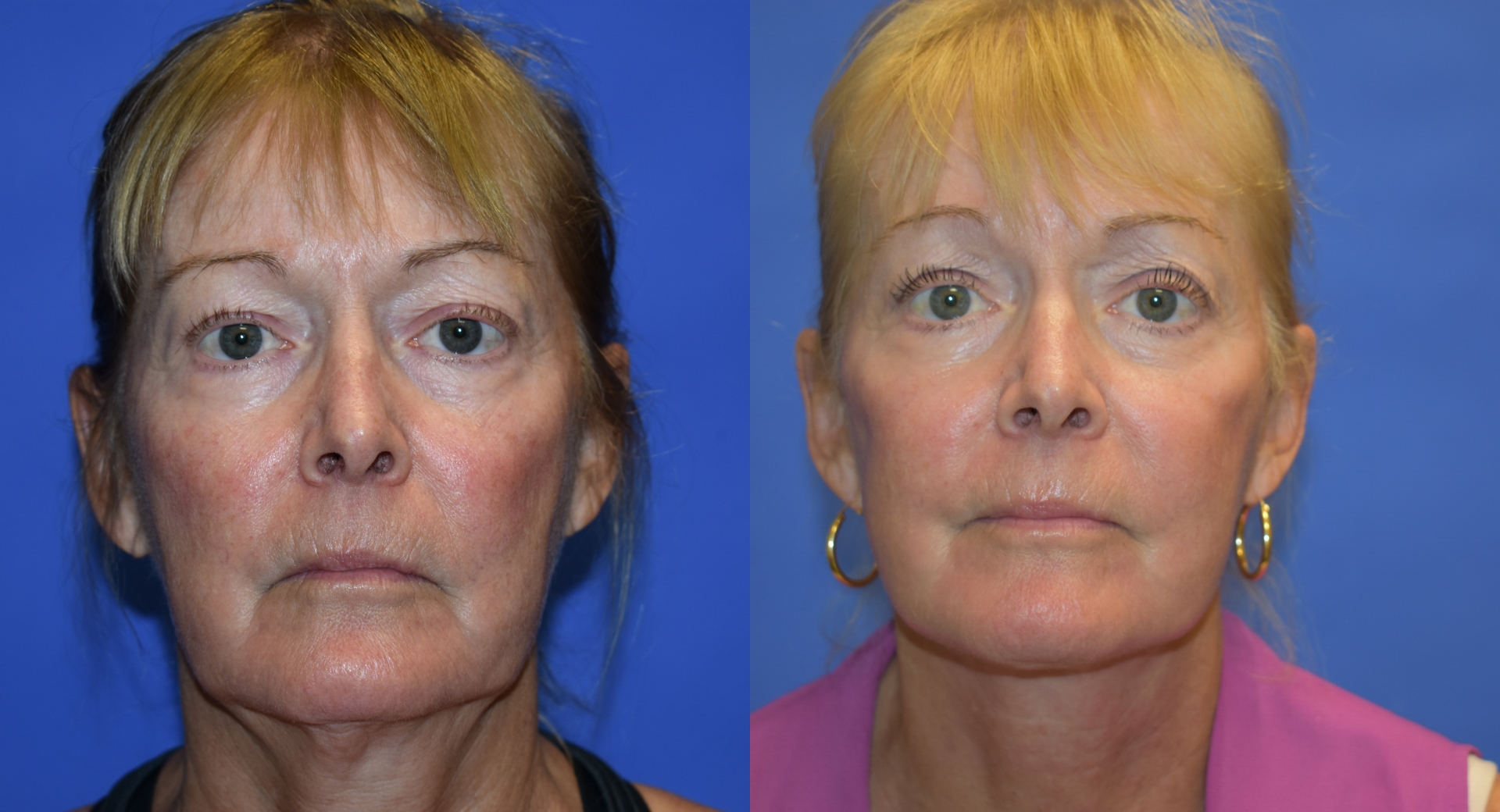
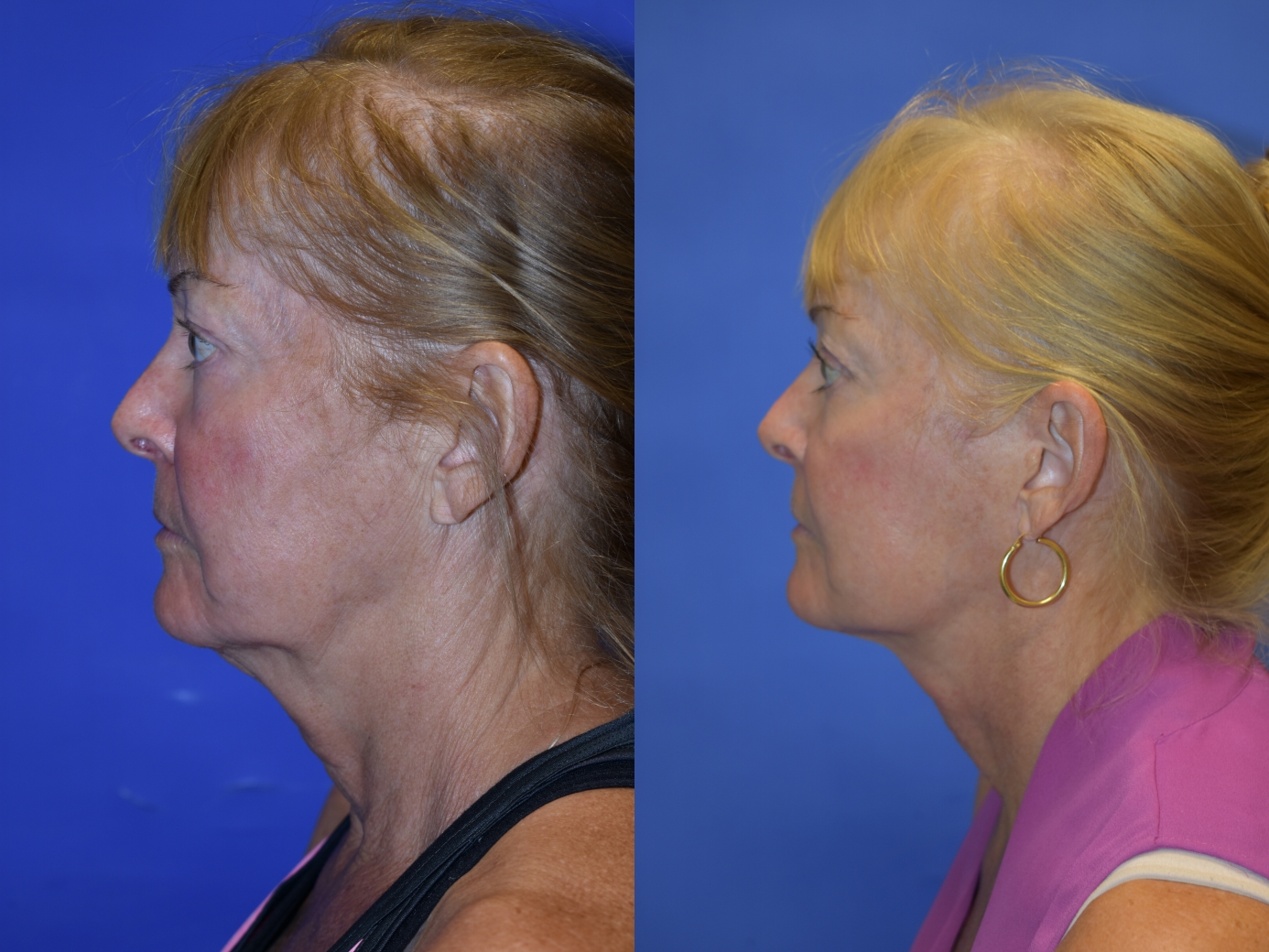
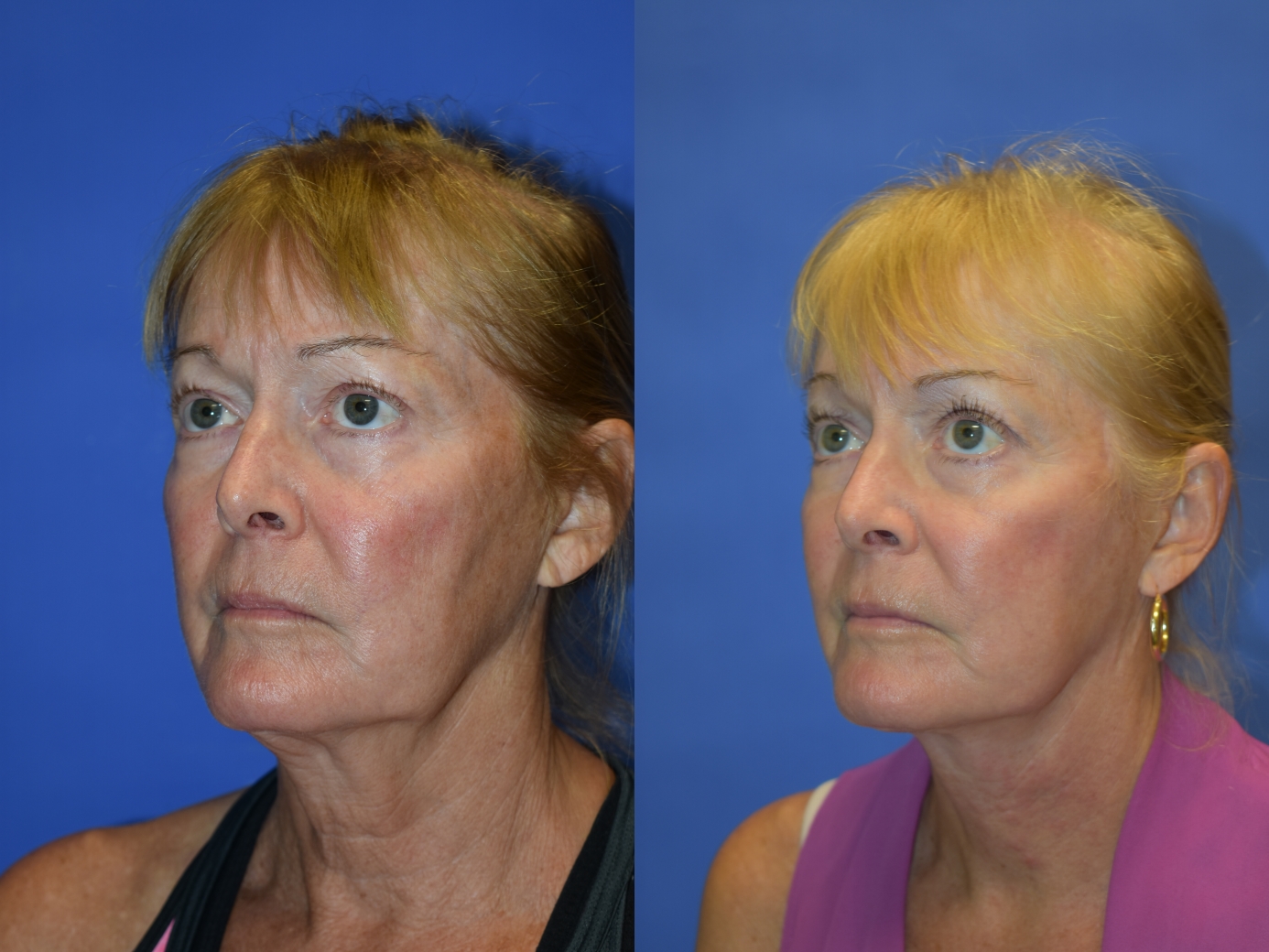
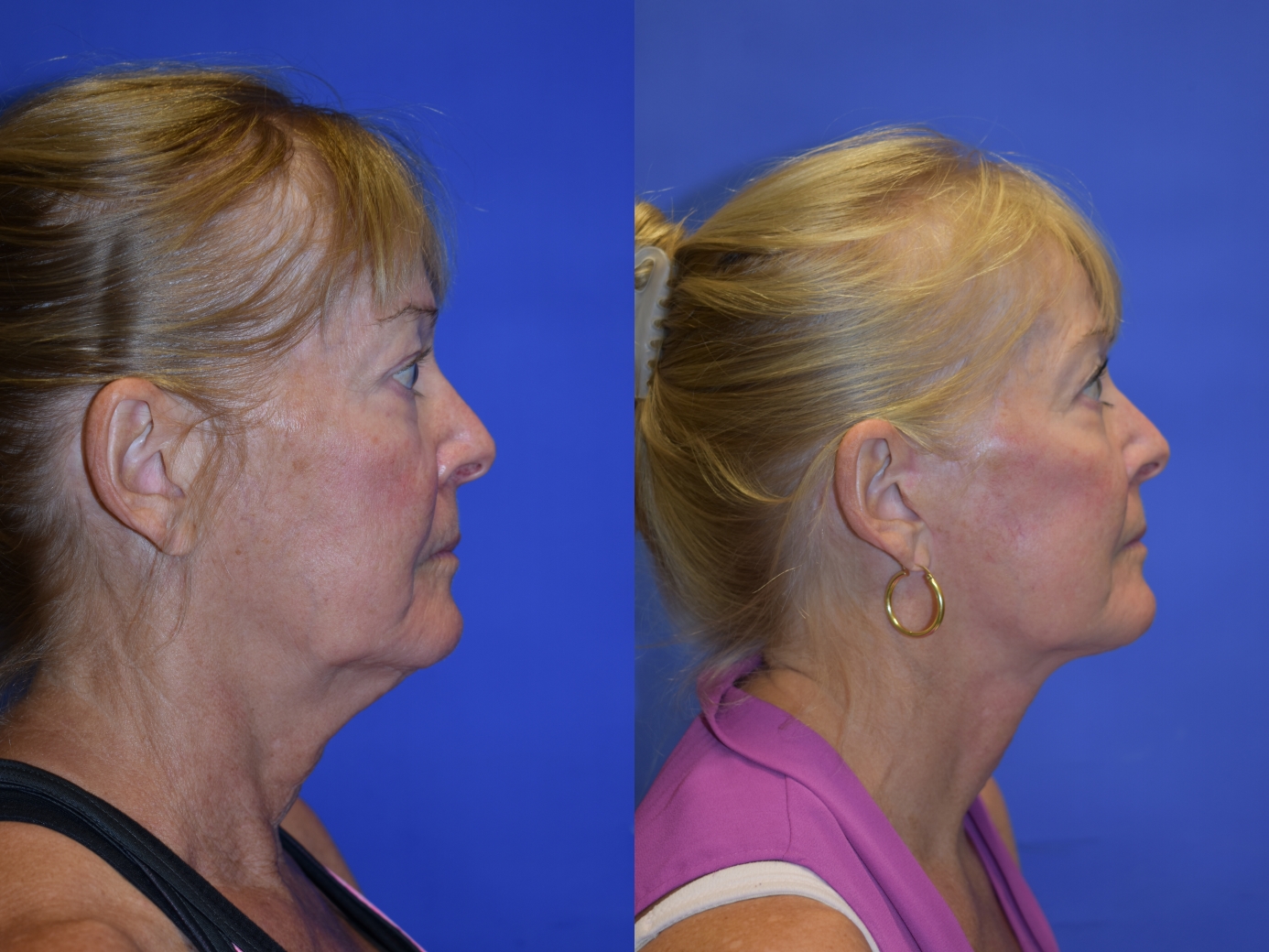
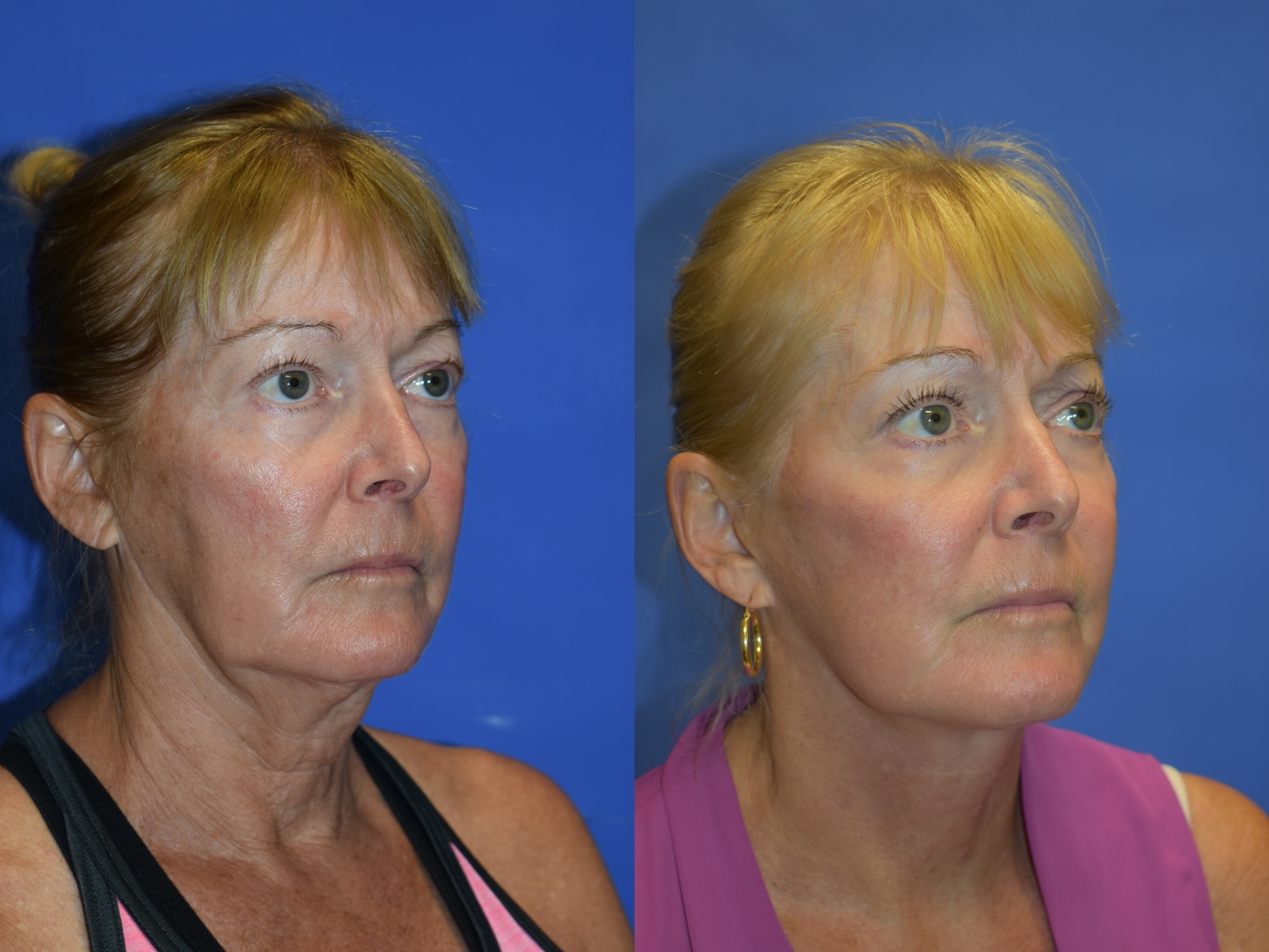
Before and After Facelift Photos
Seeing real patient results can help you understand what a facelift can achieve.
- View before-and-after transformations
- Compare different levels of correction
- See natural, long-lasting outcomes
Before and After Photos
What Do Patients Say About Facelift Surgery?
Patients consistently highlight:
- Natural-looking results
- Shorter recovery than expected
- Increased confidence
Dr Steven’s has everything that I would want in a plastic surgeon. I had gotten to the point of not wanting to look in the mirror. I am thrilled with the results of my face-lift.
Thank you for the marvelous transformation that took place for me when I had facial surgery! Words cannot express what it has done for my self-image and self-esteem.
Frequently Asked Questions
Ready to Learn More About Facelift Surgery?
A consultation is the best way to determine if a facelift is right for you and to create a personalized treatment plan.Contact us today to learn what approach will best achieve your goals.
Schedule
a Consultation
Schedule a consultation in Fort Myers with facial plastic surgeon Dr. Douglas Stevens. Dr. Stevens and his talented staff offer a wide selection of surgical and non-surgical cosmetic procedures to rejuvenate your appearance and restore your youthful facial features.